
What does a healthy and balanced diet look like? We explain what you need to know!
The foundation for achieving your fitness goals is not only fitness & strength training but also a healthy & balanced diet.

This section gives you the key ideas, visual context, and next steps so you can quickly decide what feels relevant for you.
The key takeaways at a glance
This opening section brings the topic together in a clear and practical way before you dive deeper.
The foundation for successfully achieving your fitness goals is not only fitness and strength training but also a healthy and balanced diet. The right nutrition also determines your athletic performance. This means that you can never reach your desired athletic goals if you choose the wrong dietary approach. We explain the essentials and describe which nutrients you should consume before, during, and after your workout.
However, we first need to clarify how metabolism works and how it affects your nutrition. Metabolism is the basis for all vital bodily processes in our body. This includes digestion, respiration, and energy production. This means that your athletic performance depends on how well your body can manage the processes of metabolism.
Sports nutrition only works long-term if it fits into your daily life and training rhythm.
Protein, energy availability, and timing are important, but without over-dramatization.
When traveling, nutrition often requires more pragmatism than perfection.
Good results come from consistency, not from short-term extreme strategies.
What exactly does metabolism do to our body?
During metabolism, the individual components of nutrients are utilized and transformed in our cells. Therefore, our body continuously needs nutrients. These can also serve as energy sources. Thus, it is clear: nutrition and your athletic performance are interconnected.
You may now wonder what and how many nutrients your body needs when you exercise. A guideline for sports nutrition is: 50% of your energy needs should come from carbohydrates, 20% from fats, and 15% from protein.
It is important to note that not all carbohydrates are created equal!

Carbohydrates
Carbohydrates are the most important energy source for our body. However, the body can only store and utilize a certain amount in its glycogen reserves. Here, we must distinguish between “good” and “bad” carbohydrates.
The “good” carbohydrates have a low glycemic index, which means that blood sugar levels do not spike significantly. You can find this type in green vegetables or whole grain products.
The “bad” carbohydrates, on the other hand, can lead to weight gain over time and only provide a short energy boost. These can be found in wheat or white flour products.
Enhance your athletic performance through a balanced diet!
Fats
Fats also serve as an energy source and are therefore important in sports nutrition. Since fat is processed later than other nutrients, you should avoid high-fat meals before training. If your body is busy digesting during exercise, your performance will decrease.
Polyunsaturated fats like omega-3 and omega-6 fatty acids are particularly relevant in sports nutrition as they strengthen the heart and circulation. They are mainly found in salmon or vegetable oils.

Proteins
Proteins are particularly responsible for the recovery of stressed muscle fibers. You should ensure that you consume enough protein throughout the day. High-quality protein sources include eggs or dairy products.
What should you eat before and after exercise?
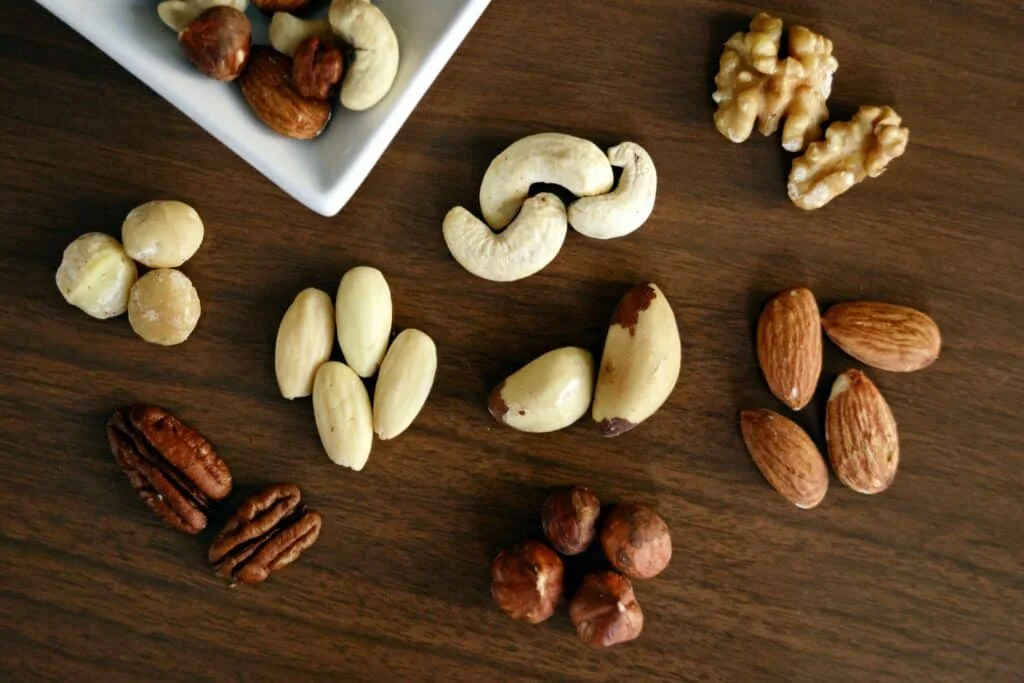
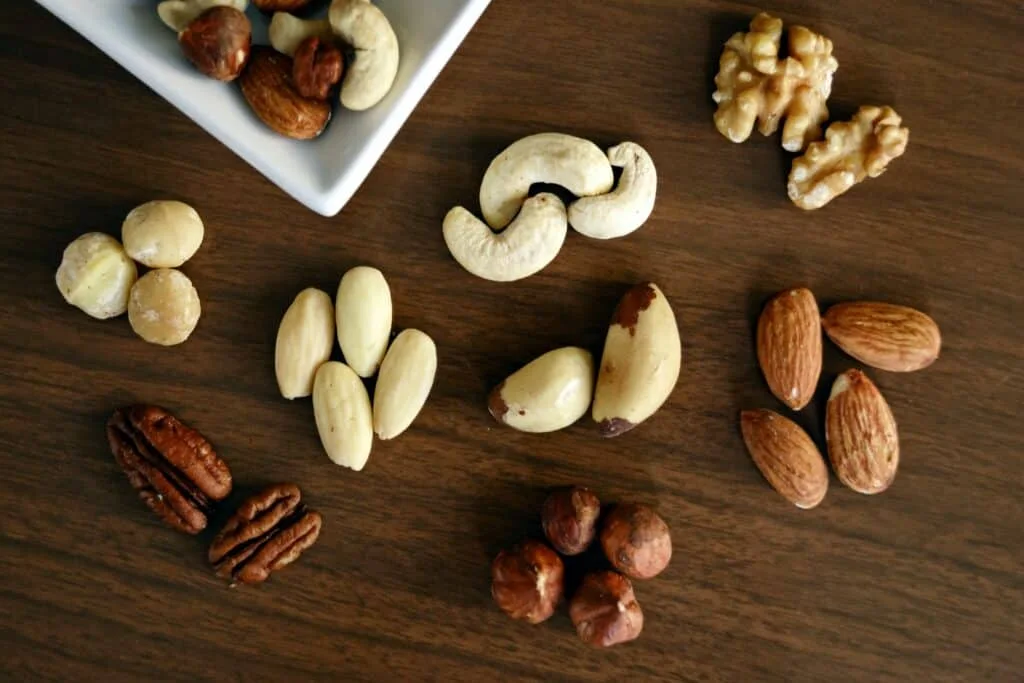
In general, it is recommended that there should be at least three hours between your last larger meal and the start of training. Otherwise, your food may sit heavily in your stomach and, in the worst case, lead to side stitches or heartburn. If you feel a little hungry before training, a few nuts, dark chocolate, an apple, or a banana are good choices before your workout.
During training, you should ensure that you drink enough fluids. This not only compensates for the increased water demand but also provides necessary nutrients. Note that your body absorbs water with a delay, which also means that nutrients will only reach their target if your hydration is adequate.
After training, however, you should focus on increasing your protein intake. This strengthens your muscles. Additionally, it is important to replenish glycogen stores with carbohydrates.
A handful of nuts gives you energy for your workout
How is the right nutrition managed on fitness trips?
Fitness trips often include boot camps or high-intensity interval training (HIIT) as a major component. This involves a mix of cardio and strength exercises. When building muscle, it is important to pay attention to the right protein intake. The fitness trips from Reiseathleten offer you a balanced and tailored diet on every trip. No matter which trip you choose, with conscious nutrition, you can enhance your performance and improve your metabolism. We are happy to lend you a hand and help you achieve your fitness goals.
To ensure suitable nutrition during your trip, we send you a questionnaire in advance, for example, for our fitness trip to Tenerife, to create your meal plan and ensure a healthy diet even during your fitness journey. It is important to know that you need different nutrients that affect your body. If you consider simple rules in your dietary approach, you can significantly enhance your training success.
Would you like to learn more about boot camps? Here you can find more information about it.
Of course, every person and body has its individual nutritional needs and requires a personalized diet (e.g., more/less protein), so this article is intended only as an overview.
Healthy breakfast – trip to Portugal with Reiseathleten
Images that bring the setting to life
These images help you get a better feel for the destination, the atmosphere, and the training environment.
Common questions on this topic
Here we answer the most common follow-up questions directly and without unnecessary detours.
How important is nutrition for athletic progress?
Very important, but not in isolation. Progress comes from training, sleep, energy availability, and consistency. Nutrition is a central lever, but never the only one.
Do I have to eat strictly on a fitness vacation to see results?
No. A fitness vacation works best with a sensible balance of enjoyment, structure, and sufficient energy. Overly restrictive diets often worsen recovery and mood.
What mistakes are most common in sports nutrition?
Eating too little, eating too late, overestimating protein, and underestimating sleep. Many problems arise less from the wrong foods than from poor timing.
Go from information straight to the right trip.
If you want to take the next step, explore the trips, camps, and destinations that fit this topic best.
More articles from the same topic area
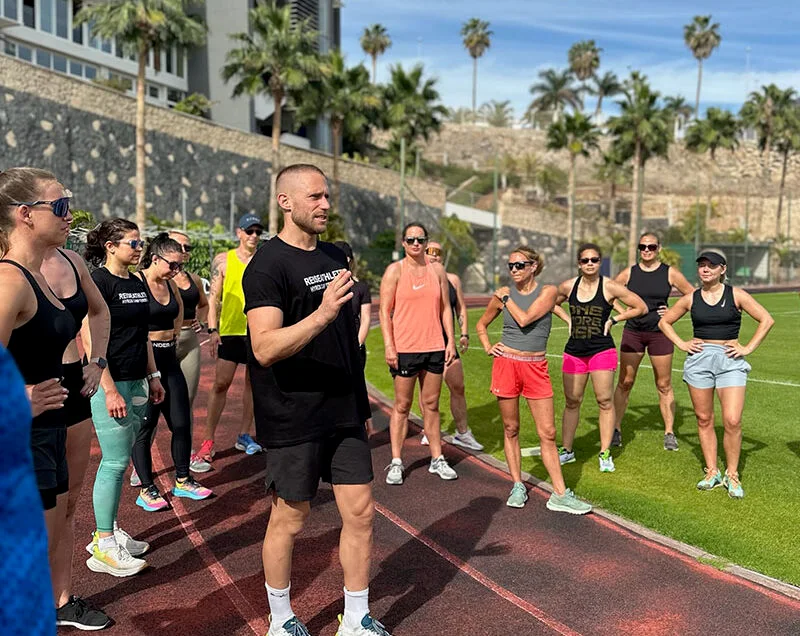
HYROX: The Ultimate Fitness Competition for Everyone!
Start the year 2024 fit! Discover the benefits of a fitness vacation: active recovery, healthy nutrition, community & recharge your energy.
Kickstart the New Year – It's That Easy!
Start the year 2024 fit! Discover the benefits of a fitness holiday: active recovery, healthy nutrition, community & recharging new energy.

Fitness Travel: Frequently Asked Questions & Answers
Traveling Alone - Benefits, Challenges, and Helpful Tips for Making Your First Solo Trip a Success
Popular planning paths
Explore fitness holidays and sports holidays by search intent
Start with the wording that matches how you plan: broad fitness holidays, sports holidays, active travel, shorter breaks, or current offers.