
Sustainability in Focus: The Future of Fitness Travel
By making sustainable choices in transport, accommodation, meals & activities, we can reduce our ecological footprint.

This section gives you the key ideas, visual context, and next steps so you can quickly decide what feels relevant for you.
The key takeaways at a glance
This opening section brings the topic together in a clear and practical way before you dive deeper.
In recent years, awareness of sustainability has steadily grown. More and more people want to reduce their ecological footprint and actively contribute to environmental protection. This development has also affected the field of fitness travel, where sustainability plays an increasingly important role.
In this blog post, we will look at various aspects of sustainability related to fitness travel and how they are changing our travel and training habits.
Sustainable fitness travel starts with format and accommodation logic, not just individual green claims.
Longer, better-planned trips can be more meaningful than many short, impulsive trips.
Partner quality and local context are often more relevant than mere marketing terms.
Sustainability and travel quality are not mutually exclusive – they often depend on each other.
Transport
A major challenge in sustainable fitness travel is transport. Often, flights or long car journeys are necessary, leading to high CO2 emissions. A sustainable solution is to choose destinations that are easily accessible by public transport or that offer the option to use bicycles or public transport on-site.

Accommodation
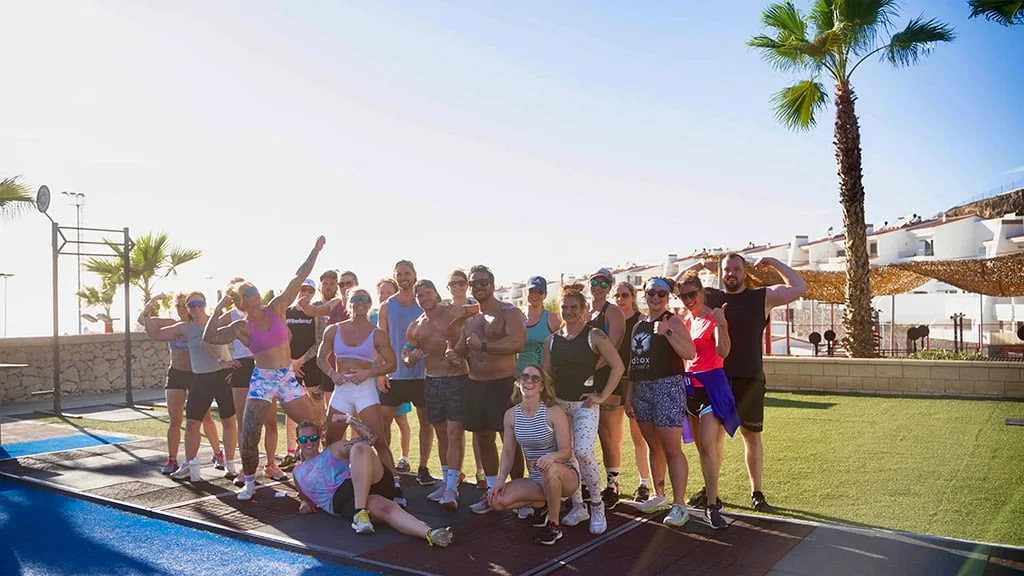
More and more people are opting for sustainable accommodations. There are many eco-friendly hotels and resorts that use renewable energy, conserve water, and reduce waste. In our fitness travels, we specifically look for accommodations that support these principles and promote environmentally friendly initiatives.
Sustainable Meals
A sustainable fitness trip also includes conscious eating. By consuming local, seasonal, and organic foods, we reduce CO2 emissions from transport and support local farmers. Choosing vegetarian or vegan meals further contributes to a more sustainable diet and reduces the ecological footprint.


Activities and Training
Fitness travel focuses on physical activity and training. To promote sustainability, we can choose outdoor activities. Hiking, cycling, kayaking, or outdoor yoga are eco-friendly options that require few resources.
Conclusion
Integrating sustainability into fitness travel is of great importance to protect our environment and promote responsible travel behavior. By making conscious choices in transport, accommodation, meals, and activities, we can reduce our ecological footprint and make a positive contribution.
So grab your comfortable sports shoes, put on your wireless headphones, and get ready with excitement for a new adventure! A sustainable fitness trip is not only extremely beneficial for your physical condition but also for the environment. Let’s explore the breathtaking nature together while staying active and healthy.
Furthermore, if you want to dive deeper into the fascinating world of fitness training, then CrossFit is undoubtedly an innovative and popular trend sport that you should definitely try. Here, you will not only find an exciting introduction to this dynamic sport but also extensive background knowledge on the most common exercises to expand your expertise and take your athletic endeavors to the next level.
Images that bring the setting to life
These images help you get a better feel for the destination, the atmosphere, and the training environment.
Common questions on this topic
Here we answer the most common follow-up questions directly and without unnecessary detours.
What makes a fitness trip more sustainable?
Not a single factor, but the interplay of travel duration, arrival, partner structure, group size, and local value creation. This is where marketing separates from substance.
Are long-distance trips automatically unsustainable?
They should at least be scrutinized more carefully. At the same time, a longer, consciously planned stay can be more meaningful than many short trips. Context is more important than blanket judgments.
Why is sustainability also relevant for guests?
Because more sustainable structures often create better quality of stay: less interchangeability, stronger local integration, and often more conscious programs.
Go from information straight to the right trip.
If you want to take the next step, explore the trips, camps, and destinations that fit this topic best.
More articles from the same topic area
Kickstart the New Year – It's That Easy!
Start the year 2024 fit! Discover the benefits of a fitness holiday: active recovery, healthy nutrition, community & recharging new energy.

Traveling Alone: Valuable Tips for First-Timers
Traveling alone - advantages, challenges, and helpful tips on how to make your first solo trip a complete success

Fitness Vacation with Reiseathleten: What You Shouldn't Forget!
We provide you with important tips on which items you shouldn't forget on your packing list for a fitness vacation with Reiseathleten.
Popular planning paths
Explore fitness holidays and sports holidays by search intent
Start with the wording that matches how you plan: broad fitness holidays, sports holidays, active travel, shorter breaks, or current offers.