
Is stretching after strength training important? We explain what you need to know!
Stretching activates and elongates various muscle groups, either by holding tension or through dynamic bouncing.
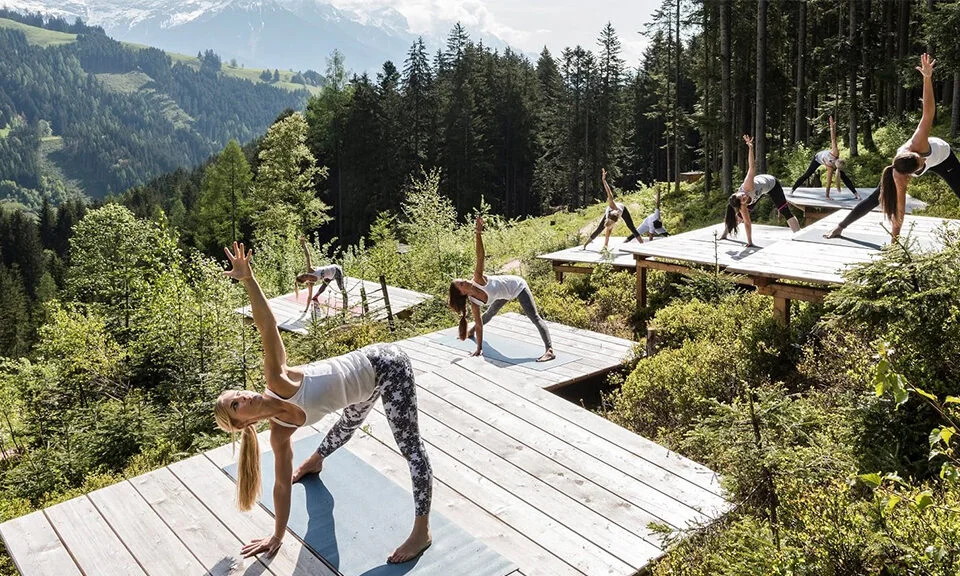
This section gives you the key ideas, visual context, and next steps so you can quickly decide what feels relevant for you.
The key takeaways at a glance
This opening section brings the topic together in a clear and practical way before you dive deeper.
Although stretching and warming up are often equated, they are two completely different processes.
In this post, we will uncover the myths surrounding stretching. We will clarify once and for all the effects of stretching exercises and answer the question of whether stretching before or after training is even useful.
Yoga – Fitness camp; Stretching – Fitness Retreat Thailand – SuperPro CrossFit – Fitness vacation Koh Samui – Fitness trips for Reiseathleten
Stretching is particularly helpful when applied appropriately to the training goal and timing.
Not every sensation of pulling after a workout is meaningful recovery.
Recovery consists of several components – sleep, load management, and nutrition remain central.
Especially when traveling, a simple, realistic mobility routine is more beneficial than perfectionism.
What happens during a muscle stretch?
During stretching, different muscle groups are activated and elongated. Either by holding tension or through dynamic bouncing.
The goals of stretching include:
- Preventing muscle shortening
- Reducing the risk of injury
- Increasing range of motion
- Supporting recovery
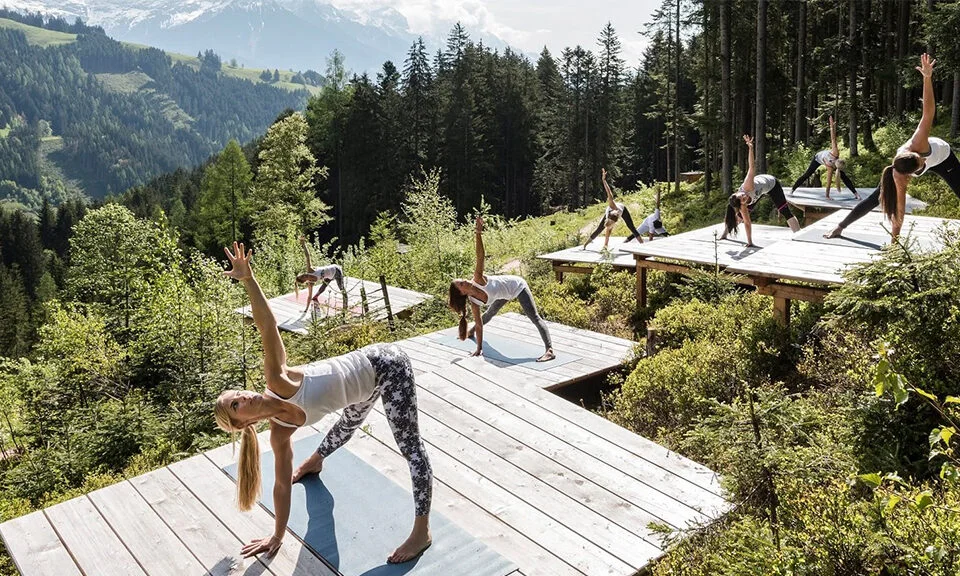

But how do you stretch correctly?
Stretching incorrectly can cause serious damage to the muscle. Therefore, it is important to first clarify how you should stretch properly.
- Avoid quick stretching and allow enough time.
- Avoid jerky movements. Try to gradually and controlled increase the movement instead of trying to reach maximum stretch all at once.
- Only stretch as far as you can. If you force a stretch with force or with the help of a training partner, the risk of injury is high.
Activation of different muscle groups through stretching – Fitness vacation with Reiseathleten
Should you stretch before exercising?
Experts agree on one point: Stretching a cold muscle is a bad idea and can lead to serious injuries! For this reason, you should always warm up first to warm up your muscles and prepare them for the load.
A short stretching session before training is important to…
- Increase mobility and thus range of motion.
- Prepare the muscle for the load.
Note that you should keep stretches short! A long stretching phase can relax the muscle too much and reduce tension. This does not correspond to the effect we want to achieve before training.
Remember: Stretching before exercise can improve mobility and flexibility as long as it is kept short. Important: Never stretch cold!


Should you stretch after strength training?
Yes, definitely! And for the following reason:
Promoting recovery
The muscles are exhausted after training and are acidified by lactic acid. Stretching exercises lower the tension state and help the muscle relax again. This promotes muscle recovery and also helps absorb lactate. This leads to less soreness the next day.
Prevents poor posture
If you train a muscle group too intensely or too often, it can lead to shortening of those muscles. A good example of this is rounded shoulders due to shortened chest muscles. Stretching after training can prevent this problem.
Fitness vacation – Short stretching phase before training
Mistakes you should avoid when stretching
Do not consider stretching as a minor aspect of your training! When you stretch, you should do it with focus and care; otherwise, the positive effect can quickly turn negative.
To ensure you do everything right, here are the most common mistakes when stretching:
Stretching is not the same as warming up! The muscle should already be warmed up before you put it 'under tension'.
Rule of thumb: Stretching should not cause any difficulties; otherwise, micro-tears in the muscle can occur. If these scar, the elasticity of the muscles decreases permanently.
When stretching, you must carefully increase the tension in the muscle. Jerky stretching can injure the muscle. If the tension decreases after a few seconds, you can carefully increase the stretch a little.
Stretching after intense training
During intense or very long training sessions, a lot of lactate accumulates in the muscles. In this case, you should avoid stretching exercises, as static stretching can exacerbate muscle damage under these conditions.
Increase your mobility through stretching
Conclusion
So what is better? Stretching before or after exercise? The answer to this question is definitely both!
Stretching before exercise prepares the muscle for the load and ensures that the muscle is more flexible. Stretching after strength training reduces the tension state of the muscles, improves recovery, and prevents soreness.
In the fitness retreats of Reiseathleten, trainers ensure that you receive the right balance between stretching, fitness, and nutrition. Especially on our trips to Phuket, Thailand, you can look forward to daily cross-training, yoga, and intensive 1:1 training sessions up to beach workouts!
More on nutrition can be found here.
Images that bring the setting to life
These images help you get a better feel for the destination, the atmosphere, and the training environment.
Common questions on this topic
Here we answer the most common follow-up questions directly and without unnecessary detours.
Should I stretch after every workout?
Not automatically. Stretching is especially useful when it aligns with your goals, your sense of movement, and the overall recovery setup. Blanket mandatory programs rarely yield much.
Does stretching help with soreness?
Only to a limited extent. Soreness is more closely related to training stimulus, adaptation, sleep, and overall recovery. Stretching can improve well-being but is not the main solution.
Which recovery routines are particularly useful during a fitness vacation?
Short mobility sessions, active recovery, sleep, adequate nutrition, and smart load management. This combination makes vacation training sustainable.
Go from information straight to the right trip.
If you want to take the next step, explore the trips, camps, and destinations that fit this topic best.
More articles from the same topic area

HYROX: The Ultimate Fitness Competition for Everyone!
Start the year 2024 fit! Discover the benefits of a fitness vacation: active recovery, healthy nutrition, community & recharge your energy.

Kickstart the New Year – It's That Easy!
Start the year 2024 fit! Discover the benefits of a fitness holiday: active recovery, healthy nutrition, community & recharging new energy.

Fitness Travel: Frequently Asked Questions & Answers
Traveling Alone - Benefits, Challenges, and Helpful Tips for Making Your First Solo Trip a Success
Popular planning paths
Explore fitness holidays and sports holidays by search intent
Start with the wording that matches how you plan: broad fitness holidays, sports holidays, active travel, shorter breaks, or current offers.